Quick Overview
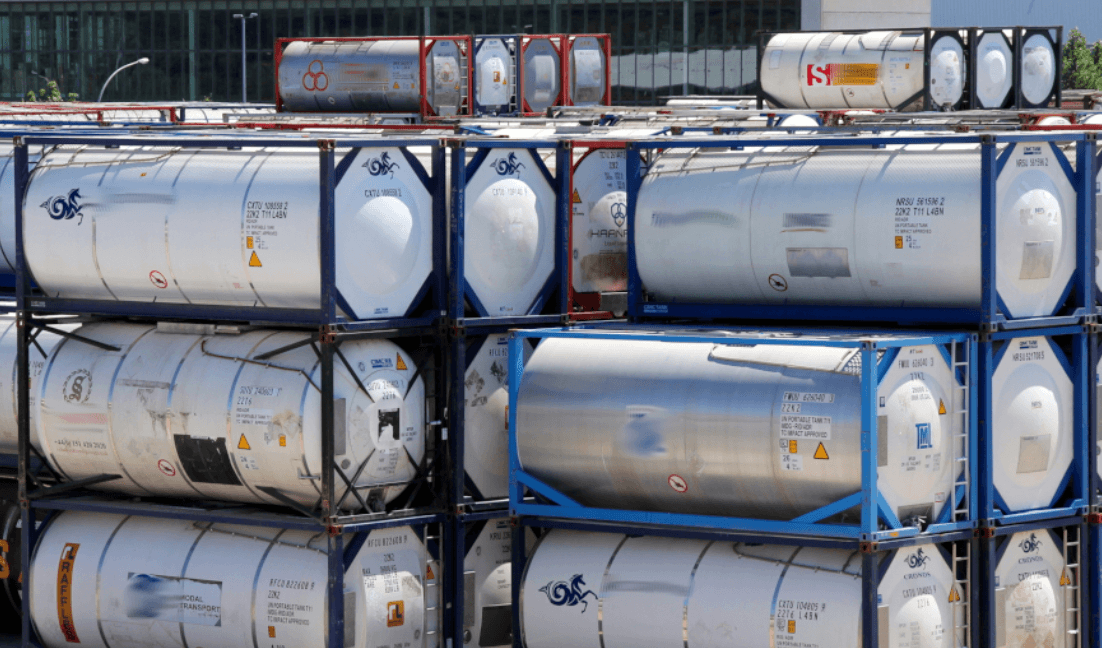
ISO tank tracking is a critical process in modern logistics that enables companies to monitor the real-time location, condition, and movement of tank containers used for transporting liquids and chemicals. Powered by advanced logistic management software, tracking systems ensure operational efficiency, safety, and complete supply chain visibility.
What is ISO Tank Tracking?
ISO tank tracking refers to the use of digital technologies to monitor the movement and status of ISO tank containers throughout the logistics lifecycle—from dispatch to delivery.
It is typically powered by a container tracking system integrated within an advanced ISO tank management software, allowing businesses to:
- Track real-time tank location
- Monitor shipment status and transit stages
- Ensure safety and compliance
- Optimize fleet utilization
Why ISO Tank Tracking is Important in Logistics
Unlike dry cargo, liquid and chemical logistics require higher precision, safety, and compliance. Without proper tracking:
- Shipments can be delayed or lost
- Safety risks increase significantly
- Tank utilization drops
- Costs rise due to inefficiencies
With the right logistic management software, businesses gain full visibility and control over operations.
How ISO Tank Tracking Works (Step-by-Step)
1. Tank Allocation & Booking
The process begins when a tank is assigned to a shipment.
- The system checks tank availability
- Matches tank specifications with cargo requirements
- Generates booking and shipment details
This is managed within ISO tank management software, ensuring accuracy and automation.
2. GPS & IoT Device Integration
Each ISO tank is equipped with tracking devices such as:
- GPS trackers
- IoT sensors
- RFID tags
These devices collect real-time data, including:
- Location coordinates
- Temperature and pressure (for sensitive cargo)
- Movement status
3. Real-Time Data Transmission
Tracking devices send data to a centralized container tracking system via:
- Satellite networks
- Cellular networks (GSM/4G/5G)
- Cloud-based platforms
This allows logistics teams to monitor tanks globally in real time.
4. Centralized Monitoring Dashboard
All tracking data is displayed in a unified dashboard within logistic management software.
Features include:
- Live map tracking
- Tank status updates (in transit, idle, cleaning, etc.)
- Alerts and notifications
- Historical tracking data
This centralized view improves decision-making and operational efficiency.
5. Alerts & Exception Management
Modern systems provide automated alerts for:
- Route deviations
- Delays or unexpected stoppages
- Temperature or pressure fluctuations
- Compliance issues
This helps teams take immediate action and prevent costly disruptions.
6. Documentation & Compliance Tracking
ISO tank tracking systems also manage critical documentation:
- Shipping documents
- Safety certificates
- Regulatory compliance records
This ensures adherence to international standards in chemical logistics.
7. Delivery & Return Tracking
Once the shipment reaches its destination:
- Delivery status is updated in the system
- Tank return logistics are tracked
- Cleaning and maintenance schedules are initiated
This completes the tank lifecycle within the ISO tank management software.
Key Technologies behind ISO Tank Tracking
1. GPS Tracking
Provides real-time location visibility across global routes.
2. IoT Sensors
Monitor environmental conditions like temperature, pressure, and humidity.
3. Cloud Computing
Enables centralized access to data from anywhere in the world.
4. API Integrations
Connects systems with shipping lines, depots, and customers.
5. Data Analytics
Helps in performance tracking and predictive decision-making.
Benefits of ISO Tank Tracking in Logistics
1. Real-Time Visibility
Track tanks anytime, anywhere with a powerful container tracking system.
2. Improved Efficiency
Automation reduces manual work and speeds up operations.
3. Enhanced Safety
Monitor sensitive cargo conditions and reduce risk.
4. Better Asset Utilization
Optimize tank usage and reduce idle time.
5. Cost Reduction
Minimize delays, penalties, and operational inefficiencies.
6. Compliance Assurance
Stay aligned with global safety and regulatory standards.
Challenges in ISO Tank Tracking
Despite its advantages, businesses may face challenges such as:
- Lack of system integration
- High initial implementation cost
- Data accuracy issues without proper devices
- Resistance to digital transformation
However, these can be overcome by adopting the right ISO tank management software.
How Logistic Management Software Enhances Tracking
A robust logistic management software goes beyond basic tracking by offering:
- End-to-end logistics automation
- Financial and billing management
- Fleet and depot management
- Advanced analytics and reporting
- Customer and vendor portals
It transforms tracking into a complete logistics management ecosystem.
Real-World Use Case
A chemical logistics company using an advanced container tracking system can:
- Monitor shipments across multiple countries
- Get real-time alerts on delays
- Optimize routes for faster delivery
- Reduce tank idle time by 20–30%
- Improve customer satisfaction with accurate updates
Future of ISO Tank Tracking
The future of ISO tank tracking will be driven by:
- AI-based predictive logistics
- Smart IoT-enabled tanks
- Blockchain for secure documentation
- Real-time risk analysis and automation
Companies investing in advanced logistic management software will gain a strong competitive advantage.
FAQs
1. What is a container tracking system?
A container tracking system is a digital solution used to monitor the location and status of shipping containers in real time.
2. How does ISO tank tracking improve logistics?
It enhances visibility, reduces delays, improves safety, and optimizes tank utilization.
3. What industries use ISO tank tracking?
Chemical, pharmaceutical, oil & gas, and food-grade liquid industries.
4. Is ISO tank tracking expensive to implement?
While initial costs exist, the long-term ROI through efficiency and cost savings is significant.
5. What software is used for ISO tank tracking?
Advanced ISO tank management software integrated with GPS and IoT technologies.
Conclusion
ISO tank tracking is no longer just a feature—it’s a necessity in modern logistics. With increasing complexity in chemical and liquid transportation, businesses must adopt advanced container tracking systems and logistics management software to stay competitive.
By leveraging real-time tracking, automation, and data insights, companies can achieve higher efficiency, improved safety, and better profitability.