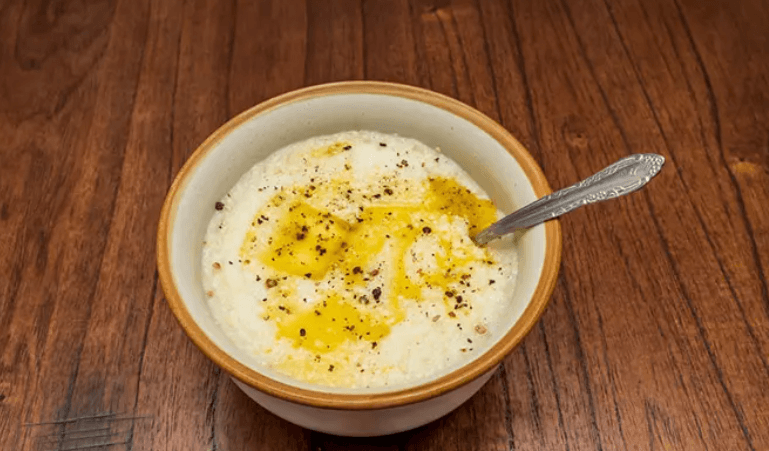
When considering whether grits are good for you, especially for weight loss, the answer is not straightforward. Grits can be part of a balanced diet, but their health effects depend on preparation methods, portion sizes, and overall dietary context. Understanding these factors helps clarify how grits fit into a weight management plan.
What Are Grits and Their Basic Nutritional Profile?
Grits are coarsely ground corn kernels, a staple food in many Southern U.S. diets. They are primarily a source of carbohydrates, with some protein and minimal fat content. Grits provide energy and certain minerals such as iron and magnesium, but they are relatively low in fiber compared to whole grains. This nutritional profile is important to keep in mind since fiber plays a key role in satiety and digestion.
Are Grits Good for You When Trying to Lose Weight?
The common question “are grits good for you” when it comes to weight loss depends largely on how grits are prepared and consumed. Plain grits are low in calories and fat but can spike blood sugar quickly due to their refined carb nature. Adding butter, cheese, or cream substantially increases calorie and fat content, which can work against weight loss goals if portion sizes are not controlled. Therefore, grits can be part of a weight-conscious diet if eaten in moderation and paired with protein or fiber-rich foods to improve fullness and nutrient balance.
Potential Risks and Considerations
One risk with grits is their low fiber content, which may lead to quicker hunger return after eating. Additionally, heavily processed or instant grits often contain added sodium or preservatives that can be less healthy choices. People with blood sugar sensitivity should also be cautious since grits have a higher glycemic index than whole grain options. Finally, relying too heavily on grits or any single food can result in nutrient gaps. Variety in diet remains crucial.
How to Compare Grits to Other Carbohydrate Sources
When evaluating if grits are good for you, it’s useful to compare them to similar foods like oatmeal, brown rice, or quinoa. These alternatives typically offer more fiber, protein, and micronutrients, which promote longer satiety and better nutritional coverage per calorie. However, grits are often more affordable and quicker to prepare. Your choice can depend on personal preferences, budget, and dietary goals. The key is to judge carb sources not just by calorie content but also by nutrient density, fiber, and how they fit into your overall meal planning.
A Practical Evaluation Framework for Including Grits in Your Diet
When assessing whether to include grits in your diet for weight loss or health, consider these criteria:
Serving Size and Preparation: Opt for small portions and avoid high-calorie toppings. Use herbs or spices for flavor instead of heavy fats.
Nutrient Balance: Pair grits with protein and fiber-rich vegetables or legumes to slow digestion and improve fullness.
Meal Timing: Eat grits earlier in the day when your body can use the energy, rather than late at night.
Variety and Moderation: Use grits occasionally rather than daily, mixing with whole grains to ensure diverse nutrient intake.
Personal Health Factors: If you have blood sugar concerns, monitor your response to grits and adjust accordingly.
For those seeking detailed insights and practical comparisons of grits with other foods in the context of weight management, the full FormBlends comparison offers a well-researched resource that dives deeper into pros, cons, and alternatives.
Frequently Asked Questions
Can I eat grits every day and lose weight?
Eating grits daily can be part of a weight loss plan if portions are controlled and the rest of your diet is balanced. However, variety and nutrient diversity are important for overall health.
Are instant grits less healthy than traditional grits?
Instant grits often have added sodium and fewer nutrients than stone-ground or traditional grits. Choosing less processed options is generally better for nutritional quality.
Do grits cause blood sugar spikes?
Because grits are a refined carbohydrate, they can raise blood sugar levels more quickly than whole grains. Combining grits with protein or fiber can help moderate this effect.
See also: Best SEO Consulting Agency in Dubai: How to Select the Right Partner
Final Note
This article is intended for informational purposes only and does not substitute for professional dietary advice or medical treatment. Always consult with a qualified healthcare provider for personalized nutrition guidance.